


Notes
( BUILDINGS · 28 APR 2026 · 5 MIN )

What to ask before renting in an older apartment block.

Lift maintenance, seepage history, and who actually pays when the pump fails.

( SCROLL ↓ )
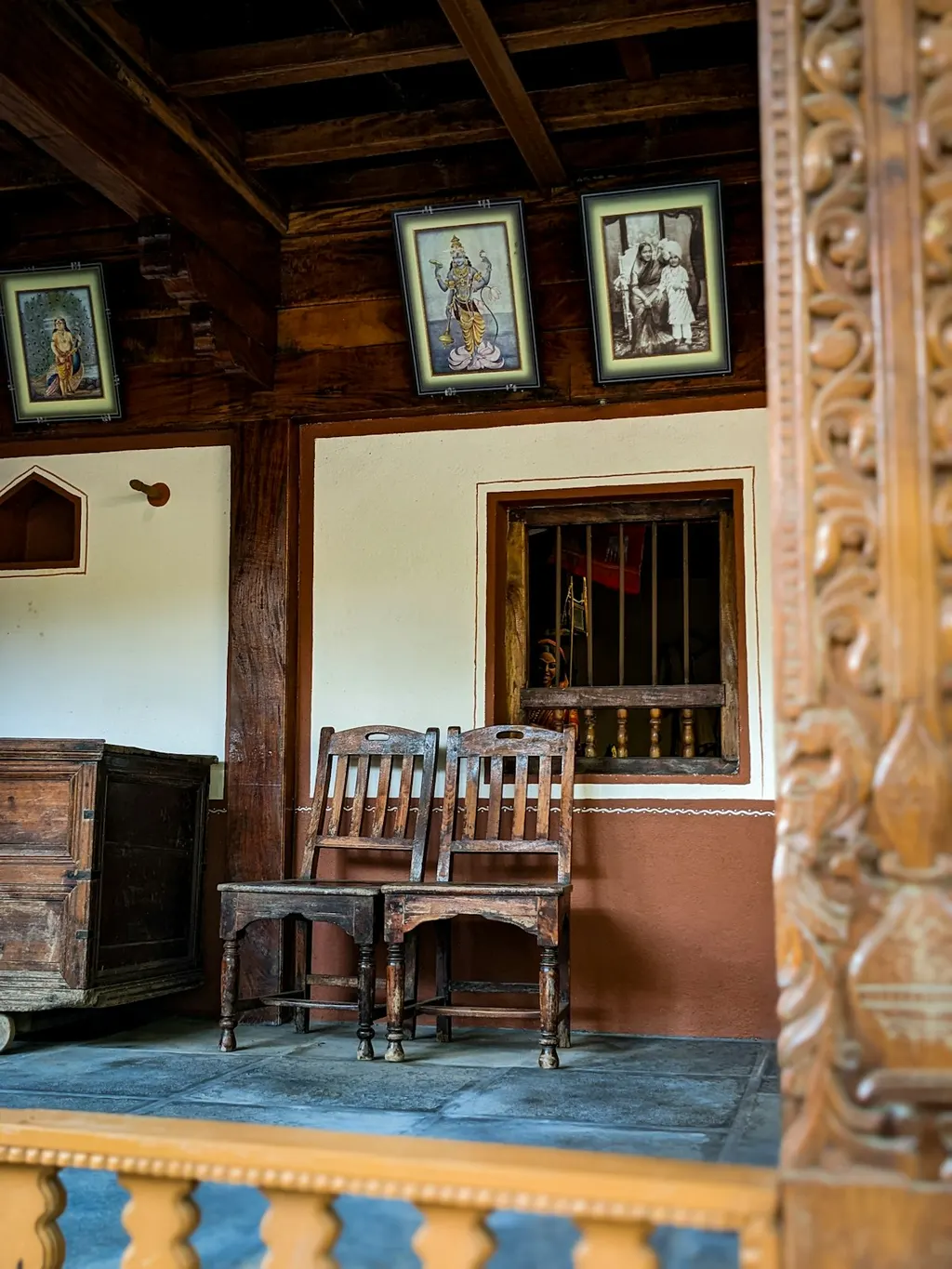
A room with a table, chairs and paintings on the wall

A freshly painted apartment can hide a building that has been working hard for twenty years.

Older buildings are not automatically worse. Many have better locations, larger homes, better ventilation and more settled communities than anything being built now.

But age makes the building’s history part of your decision. So before you decide, spend a few minutes looking past the front door.

01

Start with the lifts

In an older block the lifts are the single most expensive thing that can go wrong, and the one you cannot work around.

How old are they? When were they last refurbished? Is there an annual maintenance contract, and with whom? How often do they stop working?

One lift down for a day is an inconvenience. One lift serving a twenty-storey building for three months is a different life, and it is the kind of repair that stalls when there is no money set aside for it.

02

Then ask about water

Cauvery, borewell, tanker, or some combination, which is the usual answer. In an older building the question is less about the source than about what has changed: a borewell that yielded twenty years ago may be doing much less now.

How often are tankers needed in summer? What happens when the borewell runs dry? Is tanker water inside maintenance, or billed separately?

Ask the guard or a resident rather than the person showing you the flat. What this costs you every month is worth a note of its own. We wrote one.

03

Look for seepage

Paint is cheap and seepage is not, so this is the one thing a viewing is actively arranged to hide. Look where the paint is newest.

The corners of bedrooms, at floor and ceiling. Behind wardrobes, if you can. Bathroom ceilings: the flat above you lives there. Around windows and balcony doors.
DON’T ASK Is there any seepage? A wall painted last week answers this for you, and the answer is no.
ASK INSTEAD Where has the building had seepage before? Every twenty-year-old building has had some. The useful information is where, when, and whether it was fixed or repainted.
04

Find out what happens when something breaks

This is the question older buildings are actually decided on, and almost nobody asks it at a viewing.

Who pays when the common water pump fails? Who pays for a lift repair? What happens when the generator needs major work? Are there maintenance dues outstanding, and how many? Is there a sinking fund or reserve for large repairs?

“Maintenance is ₹X” tells you nothing about the month the building needs ₹5 lakh of work.

A building with a reserve fixes things. A building without one holds a meeting, raises a special levy, and argues for a season, and you are living in it while that happens.

05

Ask what the backup actually covers

“Generator backup” means four different things in four different buildings. Ask which of these are on it. In an older block, often not all four.

THE LIFTS

Usually the first thing covered. Confirm it, especially above the tenth floor.

THE WATER PUMPS

The one people forget. No pump means no water in the flat, whatever is in the tank.

COMMON AREAS

Corridors, the lobby, the gate. Cheap to run and normally included.

YOUR APARTMENT

Often partial: a few points and lights rather than the whole flat, and rarely the air-conditioning. Ask how many points, and where.

06

And ask about the building’s people

An older building is run by its association, and how well it is run is the difference between a characterful home and a two-year argument.

Who is the association, and is it active? Is maintenance collected regularly? Are there major disputes or pending works? How quickly does the association respond to a repair?

If you can, speak to one resident who has lived there a few years. Not the person showing you the apartment.
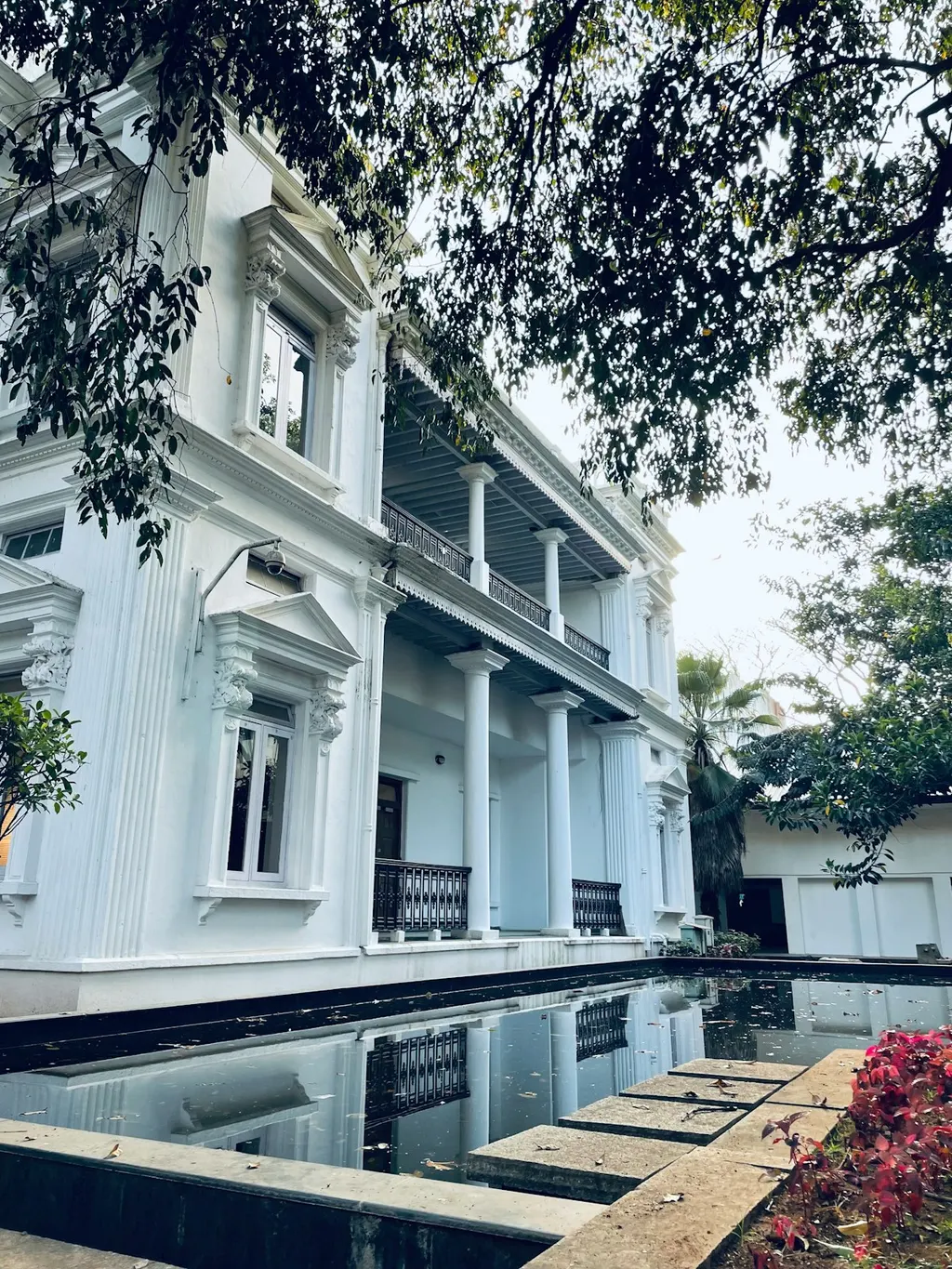

( READ THE BUILDING )

Not just the apartment.

Everything worth knowing about an older block is held by three people, and none of them are on the viewing. Ten minutes with any one of them is worth more than an hour in the flat.

THE GUARD Knows the lifts, the tankers and the power, because he is there when they fail.
A LONG RESIDENT Knows the history: what flooded, what was fixed, what was painted over.
THE ASSOCIATION Knows the money: the reserve, the dues, and what is pending.
THE QUESTION THAT COVERS ALL OF IT What has this building spent on itself in the last five years? A building that can answer is being maintained. A building that cannot is being patched.

Don’t just inspect the apartment. Read the building: its lifts, its water, its reserve and the people who decide how it is spent.

Because you aren’t renting four walls. You’re renting everything that has to keep working around them.

Age isn’t the problem. An unexamined building is.
← NEWER The questions worth asking before you sign. ALL NOTES The journal
( MORE FROM THE JOURNAL )

What else we keep learning.

A SMALL ASK

May we learn from this visit? An anonymised replay helps us understand what works, what doesn’t, and where we can make the experience better.

What each tool does →